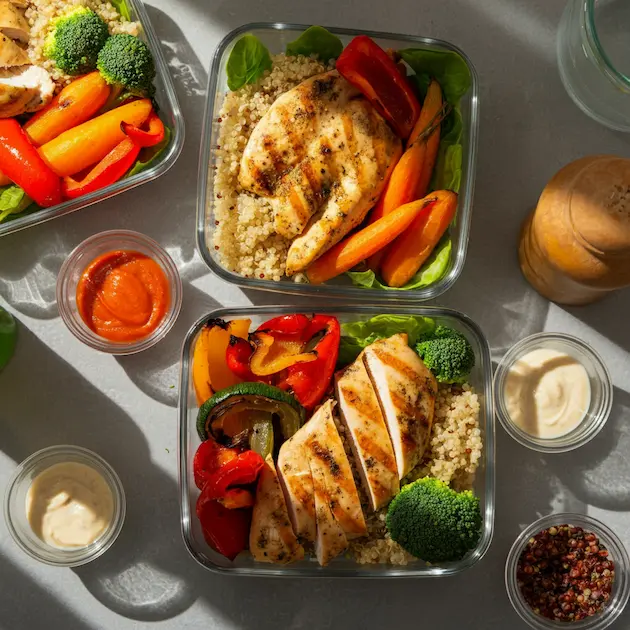
In today’s whirlwind of work deadlines, self-care rituals and that ever-growing to-do list, eating healthily can easily slide down the priority ladder, especially if you’re watching your spending. But here’s the truth: nourishing your body well doesn’t have to be expensive. With a little know-how and smart planning, you can boost your energy and balance your mood without blowing your budget.
If it’s not just busyness but genuine exhaustion driving this, it’s worth checking whether you’re dealing with high-functioning burnout – here’s how to tell the difference.
Let’s dig into practical tips and nourishing, affordable recipes to help you feel your best without spending a fortune.
Smart Strategies for Affordable Healthy Eating
1. Plan Your Meals
A solid weekly meal plan can help you save money, reduce food waste and avoid expensive last-minute takeout. Use Sunday evenings to prep your plan, write a shopping list, and batch-cook if possible.
Need guidance on nutrients? Grab our free Vitamin Smart Chart to ensure your meals are balanced with the right vitamins.
2. Shop Seasonally and Locally
Seasonal produce is fresher, cheaper, and more nutrient-dense. Look for leafy greens in spring, berries in summer, root vegetables in autumn and citrus in winter.
3. Buy in Bulk and Cook from Scratch
Grains, lentils and frozen veggies bought in bulk can be lifesavers. Cooking from scratch gives you control over ingredients and helps stretch your money much further. Buying grains and legumes in bulk offers significant savings. As noted in this article, whole foods are often less expensive than their processed counterparts and can be bought in larger quantities.
4. Use Cheaper, Nutrient-Rich Proteins
Swap expensive meats for affordable proteins like eggs, canned tuna, beans, lentils or tofu. They are protein-packed and much easier on your wallet.
5. Embrace Your Freezer
Frozen fruits and veg are often just as nutritious as fresh and last much longer. Stock up and blend into smoothies, toss into stir-fries or roast for quick side dishes.
6. Make the Most of Leftovers
Cook once, eat twice (or even three times!). Last night’s stir-fry can be tomorrow’s wrap filling and that extra roasted veg can become a hearty soup.
Pantry Staples That Save You Money
A well-stocked pantry is your secret weapon for affordable eating. Here are some essentials to always have on hand:
- Whole grains: Brown rice, quinoa, oats, whole wheat pasta
- Legumes: Lentils, chickpeas, black beans (canned)
- Tinned goods: Chopped tomatoes, beans, coconut milk
- Spices & herbs: Turmeric, paprika, cumin, dried herbs
- Freezer staples: Mixed veg, frozen spinach, berries
- Healthy fats: Olive oil, nut butter, seeds
- Proteins: Eggs, tofu, canned fish
Struggling with inflammation or bloating? Grab your copy of Flame Out. It’s a beautifully curated ebook packed with easy, budget-friendly anti-inflammatory recipes designed to help calm your gut, soothe your body and elevate your energy. It also includes more helpful info on seasonal products and ways to support your lifestyle without compromise.
Easy and Affordable Healthy Recipes
Breakfast:
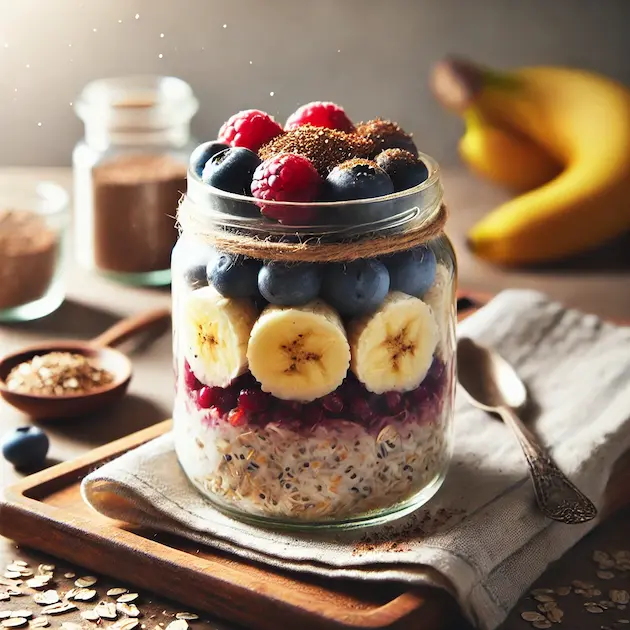
1. Overnight Oats (Serves 1)
- ½ cup rolled oats
- ½ cup milk or plant-based milk (e.g. almond, oat, soy)
- 1 tbsp chia seeds (optional, for extra fibre)
- ½ banana, mashed (or 1 tsp maple syrup for sweetness)
- ¼ cup frozen berries (or any fruit you like)
- Pinch of cinnamon (optional)
Combine and chill overnight. Grab and go!
2. Savoury Veggie Egg Muffins (Makes 6)
- 6 eggs
- ½ cup chopped spinach (fresh or frozen)
- 2-3 thinly-sliced spring onions
- ¼ cup chopped bell pepper
- ½ cup milk or plant-based milk (e.g. almond, oat, soy)
- ¼ cup grated cheese
- Salt, pepper, paprika and herbs to taste
Sauté the veg until soft. Whisk the eggs, milk, spices, herbs and cheese. Stir in veg, pour into lightly-oiled muffin tins, and bake at 180°C for 15–20 mins. Grab-and-go breakfast sorted.

Lunch:
1. Mediterranean Quinoa Salad (Serves 2)
- 1 cup cooked quinoa
- 1 cucumber, diced
- 1/2 red onion, diced
- 1/2 cup tomatoes, chopped
- 1/2 cup Kalamata olives
- 1/4 cup feta cheese (optional; omit for vegan)
- 2 tbsp olive oil
- 1 tbsp lemon juice
- Salt and pepper to taste
In a large bowl, combine the cooked quinoa, cucumber, onion, tomatoes, and olives. In a small jar or bowl, whisk together the olive oil, lemon juice, salt, and pepper. Pour the dressing over the salad, toss well, and top with feta (optional). Serve chilled or at room temperature.
2. Roasted Sweet Potato and Kale Soup (Serves 4)
- 2 large, sweet potatoes, peeled and cubed
- 1 bunch kale, stalks removed and chopped
- 1 onion, chopped
- 4 garlic cloves, minced
- 4 cups vegetable broth
- 1 tsp ground cumin
- 1/2 tsp smoked paprika
- Salt and pepper to taste
Toss sweet potatoes with olive oil, salt and pepper, and roast at 200°C for 20–25 mins until tender. In a large pot, sauté onion and garlic until soft. Add the roasted potatoes, kale, broth, and spices. Simmer for 15 minutes. For a creamier texture, blend half the soup and stir it back in. Serve hot with fresh herbs.

Dinner:
1. Baked Cod with Roasted Vegetables (Serves 4)
- 4 cod fillets (about 650 grams total)
- 1 lb mixed vegetables (broccoli, carrots, and peppers work best
- 2 tbsp olive oil
- 1 tsp dried herbs (thyme or rosemary)
- Salt and pepper to taste
Preheat your oven to 200°C. Toss your chopped vegetables with oil, herbs, salt, and pepper on a baking sheet. Place the cod fillets on top of the veg. Bake for 15–20 mins until the fish flakes easily with a fork and the vegetables are tender. Add a squeeze of lemon before serving for a bright, fresh finish.
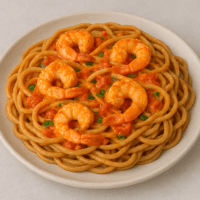
2. Creamy Tomato & Prawns Pasta (Serves 3-4)
- 200–250g whole wheat pasta (penne or spaghetti work well)
- 1 tbsp olive oil
- 2 garlic cloves, minced
- 200g frozen cooked prawns (thawed)
- 1 can chopped tomatoes (400g)
- 2 tbsp cream cheese or plant-based alternative
- 1 tsp dried basil or Italian herbs
- Salt and black pepper, to taste
- Optional: spinach, chilli flakes, lemon zest
Cook pasta, sauté garlic in oil, add prawns and herbs, stir in chopped tomatoes and cream cheese, simmer until creamy, then toss with drained pasta and season.
Bonus Tips for Eating Well Without Overspending
- Don’t shop hungry: You’ll thank yourself later.
- Use a cashback app or loyalty card when shopping; every little helps.
- Grow your own herbs: Basil, parsley and mint thrive on windowsills and add big flavour for pennies.
- Batch cook on weekends: Freeze meals in portions to avoid midweek stress.
Would you like more tips and recipes? You can find more gut-soothing, budget-friendly meals like these in our Flame Out ebook.
A Final Whisper of Wisdom…
Eating well on a budget is 100% possible with the right tools, a little prep and plenty of creativity. You don’t need fancy superfoods or expensive health fads. Just a good plan, smart choices and recipes that nourish both body and soul.
Start small. Pick one tip or recipe from today and try it this week. Then add another. Soon, you’ll build a lifestyle that feels energising, empowering and sustainable.